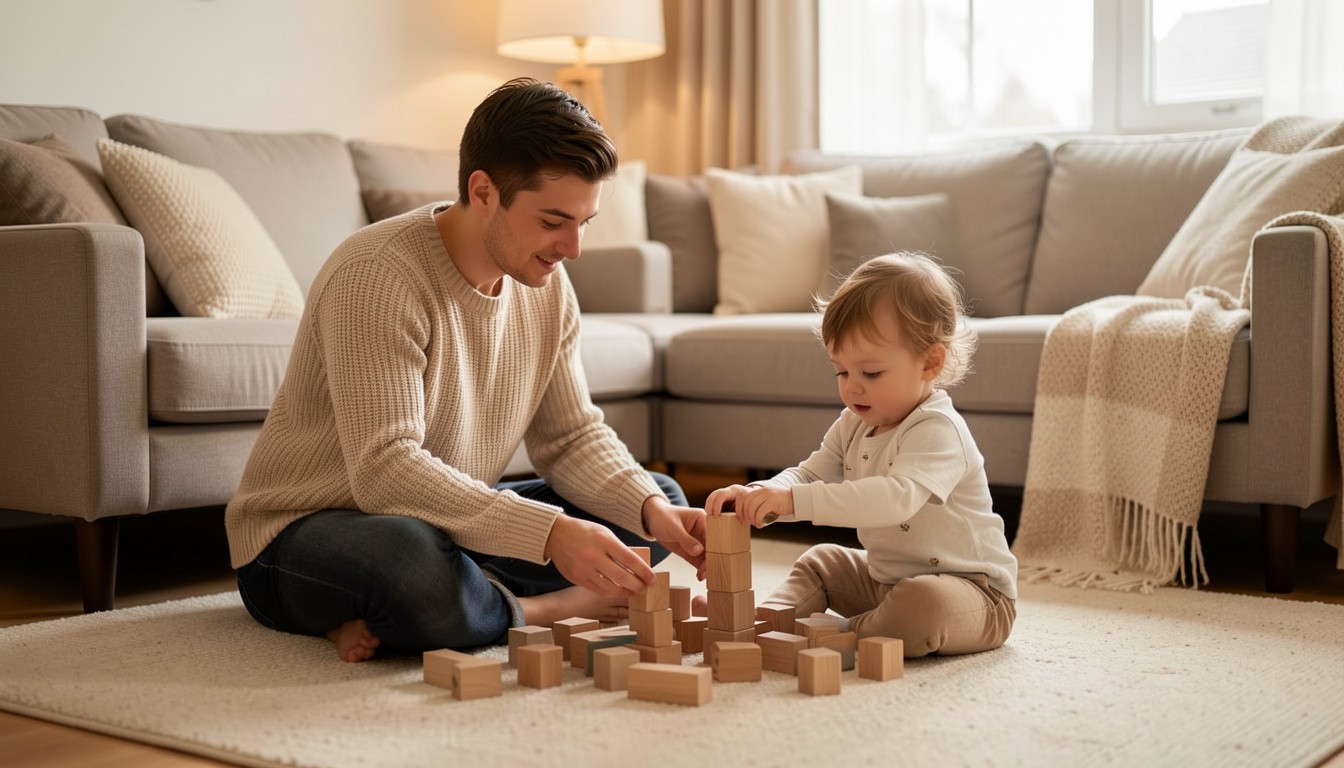
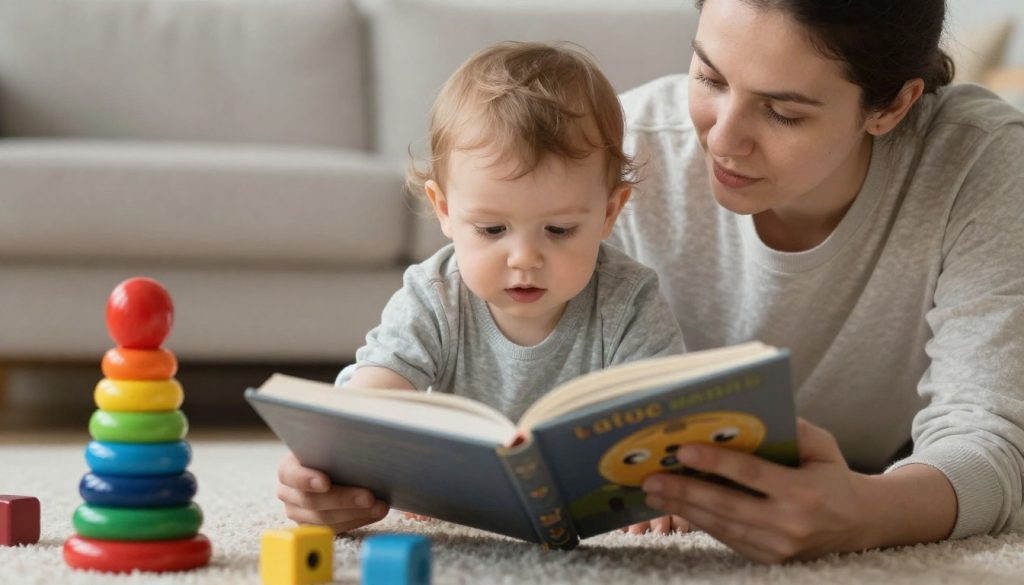
Do you think learning starts in school? 90% of a child’s brain development happens before age 6. The most interesting part is that 70% of this happens even before the child turns 3. That’s where early childhood development matters the most. Because by the time your child enters school, the foundation is already built.
The early life experiences significantly influence a child’s emotional, social and physical growth. The care and emotional assistance you provide in their childhood has a lasting influence on their confidence, self-image and overall well-being.
What Is Early Childhood Development?
It is common for parents to wonder when their child will start learning, often without realising that learning begins from the very start. That is why understanding early childhood development can bring much clarity to parenting.
From birth, children are learning through everyday moments. They listen, watch, move, and learn to feel safe with the people around them. Early childhood development refers to the growth of children in terms of their emotional, social, physical, and mental development during the early years. Understanding this helps parents see how small, daily interactions shape their child’s future.
Why Early Childhood Development Matters?
What a child experiences in the first few years of their life shapes how they perceive the world and themselves. While genes provide the blueprint for their developmental journey, it is actually the everyday experiences that build their brain by forming neural connections that shape emotions, language, movement, vision, and memory. The areas of the brain that are used often thrives and the unused neural pathways usually withers away. This process is called synaptic pruning.
When we look closely, a child’s early experiences shape different areas of development, each supporting the other. Together, they create a strong, balanced foundation for lifelong learning and well-being.
Key Areas of Early Childhood Development
Here’s how these key areas develop during early childhood:
1. Cognitive Development
Cognitive development is all about your child’s thinking power, observing skills, the ability to remember and reason. When your baby responds to light, sound and texture, they are forming a deep understanding of the world around them.
2. Emotional Well-being
Warm massages, gentle touches and soothing voices can make your baby feel safe and loved. These early moments of emotional safety are the foundation of emotional-well being. When a child feels consistently comforted and understood, they begin to develop trust, both in their caregivers and in the world around them.
3. Social Connection
As they feel more emotionally safe in their environment, it is natural for them to engage with others. Simple back-to-back responses, teach babies the joy of social connection. This is where bonding begins and relationships start to make sense to them.
4. Ethical Parenting
Babies learn by watching their surroundings. Ethical parenting involves talking calmly and treating others fairly, in everyday interactions to foster empathy, honesty, and respect in children
5. Resilience
When babies are given a chance to try after stumbling with a caring adult nearby, they begin to build resilience. Encouragement and presence help them learn that challenges are safe to face and build resilience skills.
6. Cultural Bonding
Lullabies, language, stories, and rituals rooted in our culture helps your children begin to understand who they are and where they belong. Through these familiar sounds and rhythms, children start cultural bonding.
7. Physical Well-being
To support early physical well-being, parents can focus on simple activities like tummy time, gentle massage, and movement games to strengthen muscles, coordination, and body awareness. These early movements support healthy physical growth.
8. Creativity
Babies explore the world through all their senses. When they’re free to touch, hear, and feel, they begin building the foundation for imagination and creativity.
9. Nature-Based Learning
Nature is an important part of learning. Sunlight, fresh air, plants, and natural textures can stimulate gentle curiosity. Early exposure to nature helps children feel calm, curious, and connected to the world around them.
Supporting Your Child’s Early Development
Supporting your child in the early development phase is not about doing more or doing everything perfectly. It’s about being present in the small, everyday moments. The way you talk, respond, play, and care for your child during these early years helps them be confident in relationships and develop better emotional regulation and more.
This is where thoughtful parenting can make a huge difference. Platforms like Zoodle Kid are designed to support parents of children aged 0-6 years through simple, age-appropriate, and research-backed activities that fit naturally into daily life. When children feel safe, supported, and understood, they grow into curious, resilient, and emotionally secure individuals. By focusing on healthy early experiences, parents aren’t just helping their children grow today, they’re shaping their future.
References
1.Center on the Developing Child at Harvard University. (2016). https://developingchild.harvard.edu/science/key-concepts/brain-architecture/
2. Center on the Developing Child at Harvard University. (2015). https://developingchild.harvard.edu/science/key-concepts/serve-and-return/
3. National Scientific Council on the Developing Child. (2007). https://developingchild.harvard.edu/resources/the-science-of-early-childhood-development/
4. Shonkoff, J. P., & Phillips, D. A. (Eds.). (2000). https://nap.nationalacademies.org/catalog/9824/from-neurons-to-neighborhoods-the-science-of-early-childhood-development
5. UNICEF. (2017)
6. World Health Organization. (2018). https://www.who.int/publications/i/item/WHO-FWC-MCA-18.06